 Argentina Hub
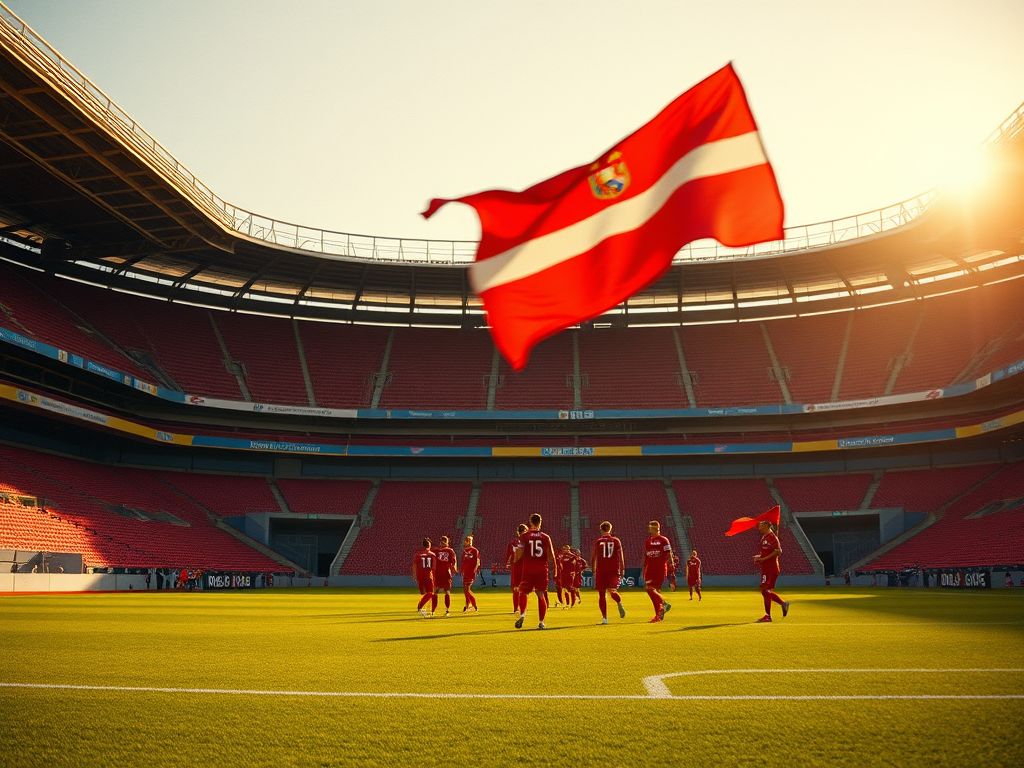
The 1986 World Cup, held in Mexico, remains a milestone in La Albiceleste's history. The Argentine national team, led by the legendary Diego Maradona, entered the final with a clear goal: to be crowned champions once again. The final match, played on June 29 at the Estadio Azteca in Mexico City, pitted Argentina against West Germany, a rival that had been a constant adversary in international football history.
From the start of the match, the intensity was palpable. Argentina, with its offensive style of play and the magic of Maradona, took the lead thanks to a goal from Jorge Valdano in the 56th minute. However, Germany's resilience soon manifested. In a dramatic turn, the Germans equalized with goals from Klaus Augenthaler and Rudi Völler, putting La Albiceleste's determination to the test.
What followed was a display of courage and perseverance. In the 84th minute, Jorge Burruchaga, after a brilliant play, scored the goal that sealed the victory. The explosion of joy in the Estadio Azteca resonated throughout Argentina, marking not just a triumph in the World Cup but also the birth of a new identity for the team.
That victory was not just a title; it was a reaffirmation of the Argentine spirit. The way the team overcame adversity and maintained composure under pressure became an example for future generations of footballers. La Albiceleste did not just become champions; it established itself as a team that would fight with the heart and passion that characterizes the Argentine people.
The legacy of that match is still felt today as La Albiceleste prepares for the 2026 World Cup. The story of 1986 lives on in the collective memory of fans, reminding them that football is an art that goes beyond goals and victories: it is an expression of identity and nationality. In every match, players carry the weight of that history, remembering that they are part of something greater. La Albiceleste, forged in the glory of 1986, remains a symbol of pride and hope for all Argentines.