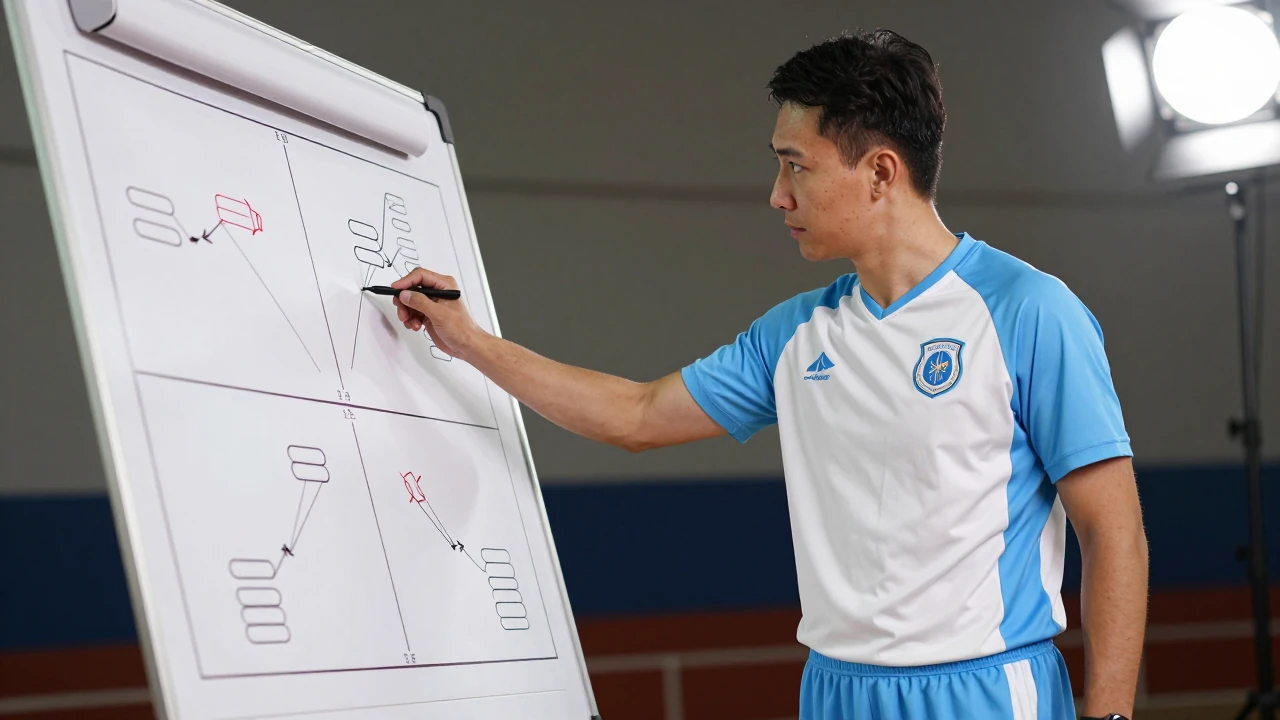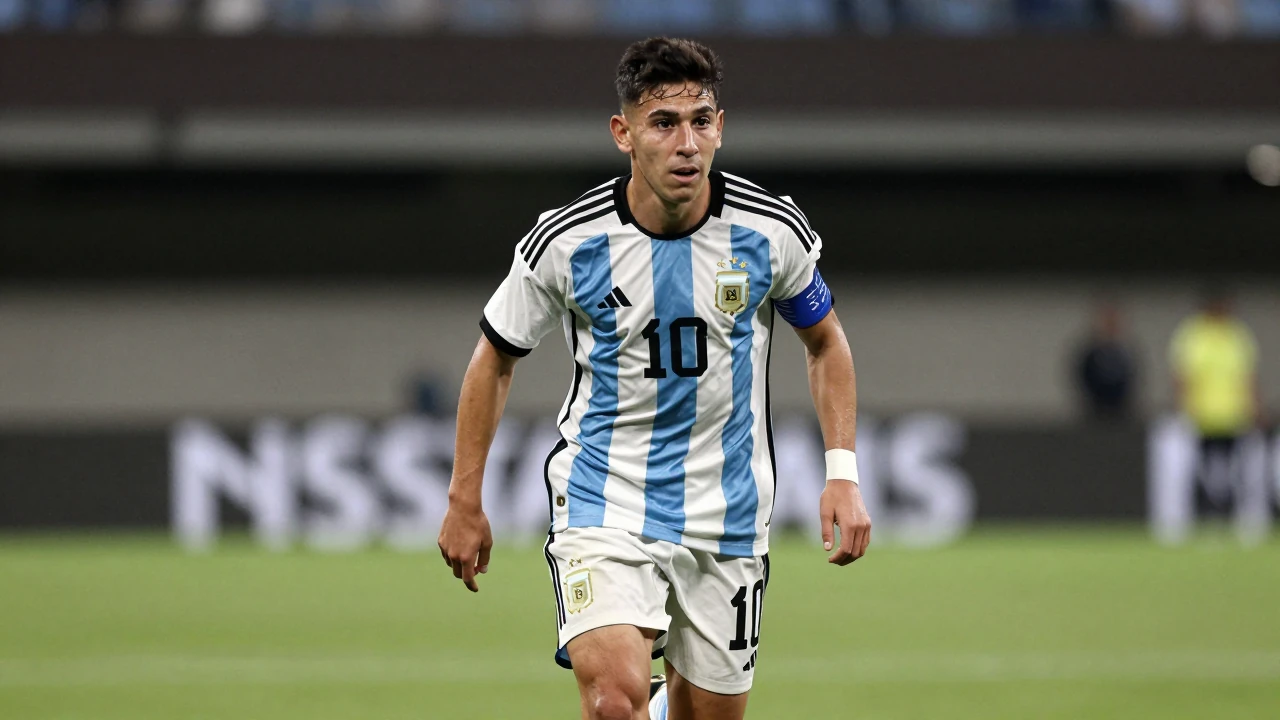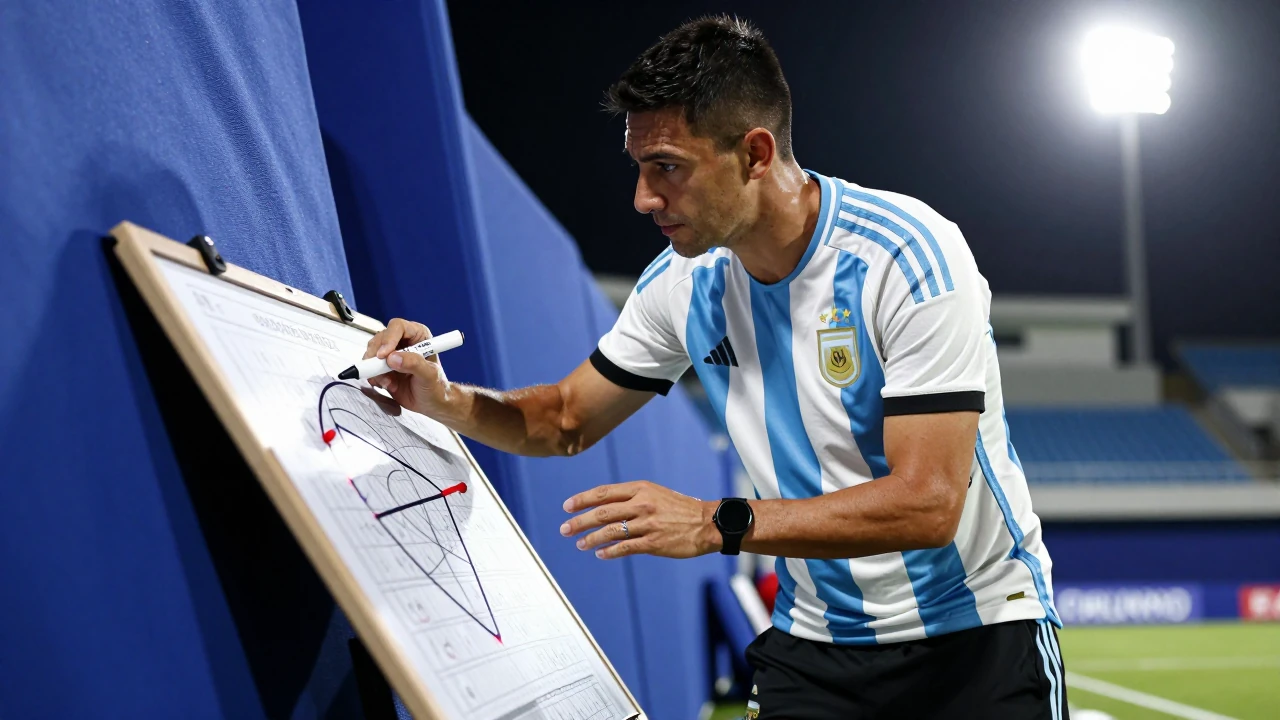
La Albiceleste has been on an upward trajectory, standing out for its cohesion in play and ability to create opportunities. However, in a competitive tournament like the World Cup, it is key for the team to refine its tactical approach to maximize its potential. Below are some observations and tweaks that could benefit the Argentine national team.
Strengthening the Midfield
One of Argentina's strong points has been its midfield, where players like Rodrigo De Paul and Enzo Fernández have proven to be essential. However, in certain situations, a lack of connection between defense and attack has been noticeable. To address this, Lionel Scaloni should consider implementing a diamond midfield, allowing for greater fluidity in play and better ball control. This would provide more attacking options while solidifying defense by winning back the ball more quickly.
Exploiting the Wings
The speed and talent of Argentine wingers like Ángel Di María and Nicolás González should be maximized. In recent matches, the team has tended to play through the center, limiting goal-scoring opportunities. Introducing a wider style of play could open spaces in the opposing defense and allow full-backs to join the attack. Additionally, this could create opportunities for midfielders to make more frequent runs into the box, generating more goal-scoring chances.
Variations in Defensive System
Argentina has been solid defensively, but the rigidity of the 4-3-3 formation can be a double-edged sword. Considering a three-defender setup in some matches could provide more freedom for the full-backs and enable a more dynamic attack. This adjustment could also be useful in counteracting teams that play with a very vertical attack, providing greater protection to the backline.
Maximizing the Impact of Substitutes
The depth of the bench is another strength of La Albiceleste. However, at times, substitution management has been conservative. Scaloni could benefit from being bolder with substitutions, introducing fresh players at key moments and leveraging their energy to change the course of a match. This is particularly critical in long tournaments like the World Cup, where fatigue can be a decisive factor.
Conclusion
La Albiceleste has all the necessary elements to be competitive in the 2026 World Cup. Tactical adjustments, such as reconfiguring the midfield, exploiting the wings, varying the defensive system, and a more proactive management of substitutes, could be the key to elevating Argentina to a new level. The individual quality of the players is undeniable, but success in the tournament will depend on how Scaloni manages to blend those skills into a cohesive and effective unit.