 Argentina Hub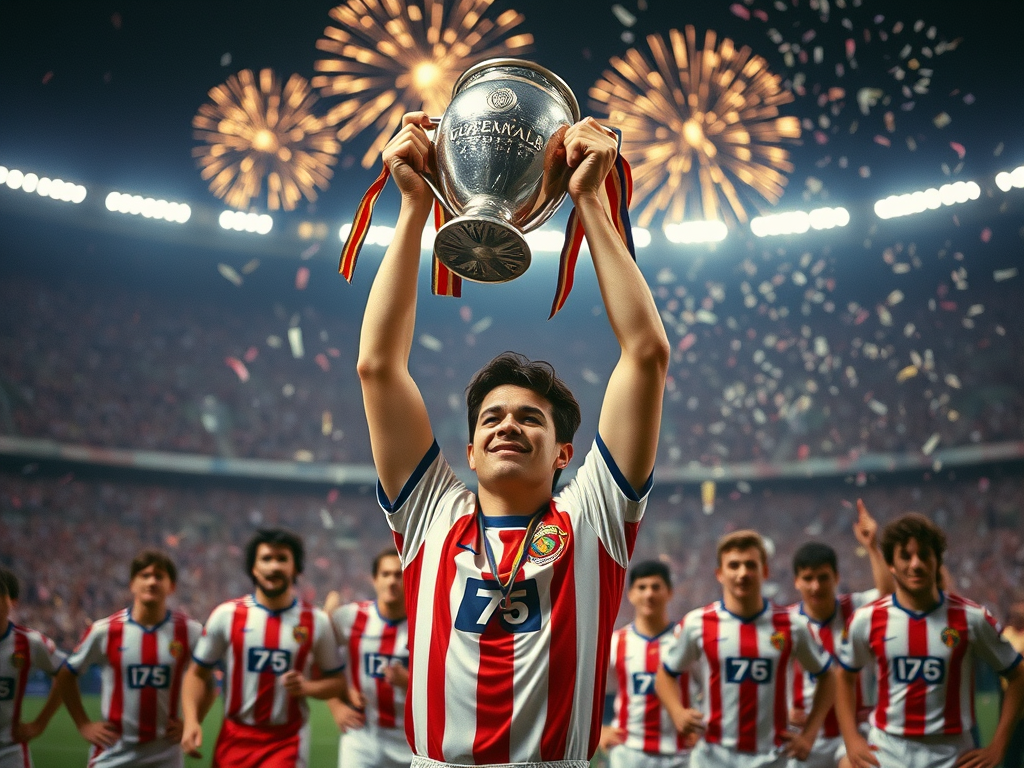
The Revolution of 1978: The Rise of La Albiceleste
The 1978 World Cup, held in Argentina, is a fundamental chapter in the history of national football. In a politically and socially complicated context, the tournament became an opportunity for the country to showcase not only its passion for football but also its capacity for resilience. La Albiceleste, under the guidance of César Luis Menotti, achieved a victory that would resonate in the collective memory of Argentines for generations.
The Argentine team, composed of a blend of experienced talent and young promises, managed to advance through a challenging group stage. With players like Daniel Passarella, Mario Kempes, and Osvaldo Ardiles, the lineup combined technical skill with a strong sense of national identity. However, the true impact of this tournament lies not just in pure football but in how it united a nation divided in a time of political turbulence.
The famous final match against the Netherlands at the Estadio Monumental was an unforgettable spectacle. Argentina, after a 1-1 draw in regular time, displayed great determination in extra time. Mario Kempes, the tournament hero, scored two goals, taking home the Golden Boot as the tournament's top scorer. This victory not only awarded Argentina its first world title but also served as a symbol of hope and unity for the nation.
The celebration following the match was a moment of collective euphoria. The streets filled with fans, where singing and joy took over every corner of the country. This fervor was not just for the victory in football but for the sense of belonging and pride it generated at a time when national identity was at stake. 1978 became a year of redemption for Argentina, not only in the sporting realm but in the social and cultural spheres.
Years later, the legacy of that World Cup remains alive. La Albiceleste has faced ups and downs, but the spirit of 1978 continues to be a source of inspiration for generations of footballers and fans. As Argentina prepares for the 2026 World Cup, the memory of that emblematic tournament reminds us that football is more than just a game; it is a way of life, a universal language that unites everyone under the flag of La Albiceleste.